
Frank Sinatra
Frank Sinatra was the voice. Not a voice — THE voice. For fifty years, he defined what a popular singer was supposed to sound like. The phrasing was impossible. Every syllable placed with surgical precision on the beat, behind it, or just ahead of it, exactly where it needed to be. He didn't just sing the Great American Songbook — he owned it. My Way, New York New York, Fly Me to the Moon, Strangers in the Night, That's Life. These aren't just songs. They're the sound of mid-century America.
Discography
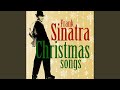
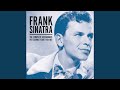
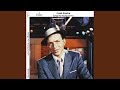
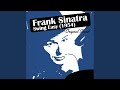
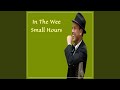
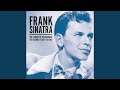
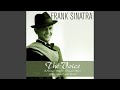
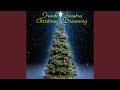
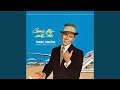
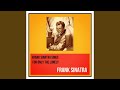
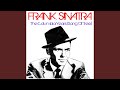
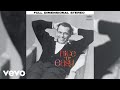
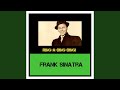
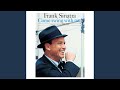
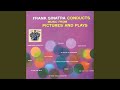
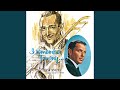
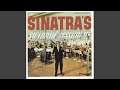
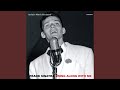
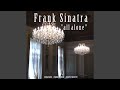
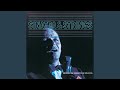
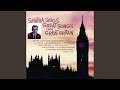
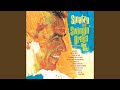
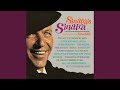
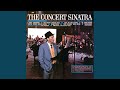
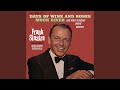
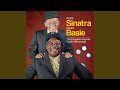
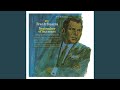
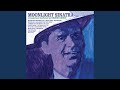
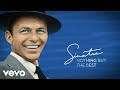
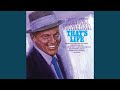
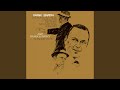
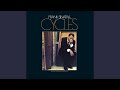
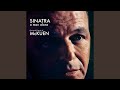
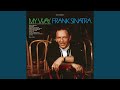
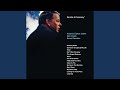
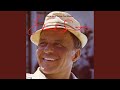
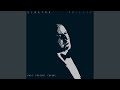
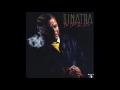
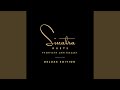
Explore the complete Frank Sinatra studio albums. Click any album to see the full track list and listen.


Why It Works
Listen to Frank Sinatra's essential discography on Mixtuby — 15 canonical studio albums from In the Wee Small Hours (1955) through My Way (1969). 170+ tracks across the Capitol years and the Reprise era. No ads interrupting the after-midnight melancholy of In the Wee Small Hours. No shuffle breaking the swinging brass of Songs for Swingin' Lovers. Press play and Sinatra's baritone fills your headphones.
Why Mixtuby
Unlike Spotify or Apple Music, Mixtuby doesn't need an account. Open the page, hit play, In the Wee Small Hours of the Morning starts. We organise the catalog chronologically so you can hear the full arc — the concept-album melancholy of the mid-50s, the swinging confidence of Come Fly with Me, the orchestral ballads of Nice 'n' Easy, the Reprise-era masterpieces, and the late-60s triumph of My Way. Fifteen albums, fourteen years, every essential moment.
Biography
Francis Albert Sinatra was born in Hoboken, New Jersey, on December 12, 1915. The son of Italian immigrants. Started singing in saloons for tips as a teenager.
Got his big break with the Tommy Dorsey Orchestra in 1940. By 1943, the bobby soxers at the Paramount Theatre were screaming themselves hoarse. He was the first real pop idol — before Elvis, before the Beatles, there was Sinatra.
The Capitol years (1953-1962) are the artistic peak. Working with arrangers Nelson Riddle, Billy May, and Gordon Jenkins, Sinatra invented the concept album. In the Wee Small Hours (1955) is fifty minutes of 3am heartbreak, every song in the same key, the same tempo, the same emotional register.
Songs for Swingin' Lovers! (1956) is the opposite pole — brass, confidence, finger-snapping swing. These albums changed what an album could be.
The Reprise years (1961-1969) included his own record label, the Rat Pack Vegas era, and the late-60s comebacks — Strangers in the Night (1966), That's Life (1966), My Way (1969). He kept recording into the 90s. When he died on May 14, 1998, the lights of the Empire State Building turned blue.
That's the kind of singer he was.
History
In the Wee Small Hours (April 1955) was the first of the great Capitol concept albums. Nelson Riddle arranged. Sinatra sang every song as if it were 3am and the bourbon had stopped working.
Glad to Be Unhappy. Mood Indigo. Last Night When We Were Young.
It Never Entered My Mind. Sixteen songs about loneliness, performed with the most devastating phrasing ever committed to tape.
Songs for Swingin' Lovers! (March 1956) was the flip side. Billy May's brass arrangements hit like a punch to the chest.
I've Got You Under My Skin is seven minutes of pure swing — the trombone solo alone is worth the price of the album. You Make Me Feel So Young. Too Marvelous for Words.
Pennies from Heaven. This is what confidence sounds like.
Come Fly with Me (January 1958) was the travel-themed album. The title track, with Billy May's horn arrangements, is impossible to resist. Around the World.
Isle of Capri. Moonlight in Vermont. Blue Hawaii.
Autumn in New York. It's the album that made you want to live in a Boeing 707 with a martini in your hand.
Frank Sinatra Sings for Only the Lonely (September 1958) returned to the concept-album format. It's bleaker than Wee Small Hours. Angel Eyes.
One for My Baby (And One More for the Road). Gone with the Wind. Willow Weep for Me.
Nelson Riddle's arrangements are mournful and spare. Sinatra considered it his finest vocal performance.
My Way (1969) was the late-career statement. Paul Anka wrote the lyrics to a French melody. Sinatra sang it with the perfect balance of defiance and resignation.
"And now, the end is near." It became his signature song. He reportedly hated it, thought it was self-indulgent.
Audiences disagreed.
Legacy & Influence
Frank Sinatra is the reason we have singers who interpret songs rather than just perform them. Before Sinatra, popular singers were vocalists — they hit the notes, they projected, they entertained. Sinatra treated every song as a three-minute short story.
He bent the rhythm to match the meaning. He held notes to amplify emotion. He cut syllables short to suggest heartbreak.
Every singer who came after — Elvis, Ray Charles, Tony Bennett, even rappers like Jay-Z and Drake — learned from Sinatra's phrasing.
The concept album exists because of Sinatra. In the Wee Small Hours (1955) and Only the Lonely (1958) proved that an album could be a unified artistic statement rather than a collection of singles. Every concept album from Sgt.
Pepper's to Kendrick Lamar's To Pimp a Butterfly traces its lineage to Sinatra and Nelson Riddle in a Capitol studio in 1955.
My Way, New York New York, Fly Me to the Moon, That's Life, Strangers in the Night — these songs are cultural permanent installations. Weddings, funerals, movies, karaoke bars. The Sopranos opens with Woke Up This Morning but it closes with Don't Stop Believin' — and in between, every episode treats Sinatra like the patron saint of New Jersey Italians.
Because he was.
Perfect For
For dinner parties
Songs for Swingin' Lovers and Come Fly with Me set the perfect vintage-cocktail mood.
For late-night melancholy
In the Wee Small Hours is the definitive 3am bourbon-and-heartbreak soundtrack.
For cooking Italian food
Put on Sinatra and suddenly every kitchen becomes a North End trattoria.
For vintage vibes
The Capitol years are peak mid-century cool — perfect for craft cocktails and vinyl nights.
For studying classic songwriting
15 albums of the Great American Songbook performed by its greatest interpreter.
For formal events
Strangers in the Night, Fly Me to the Moon, and My Way are wedding-ready from the first note.
How to Listen
Start with In the Wee Small Hours — 16 tracks, one mood, no filler
Songs for Swingin' Lovers is the opposite pole — confidence and brass
My Way is the karaoke classic — listen to the original to hear how it's actually done
Come Fly with Me needs Billy May's brass turned up loud
🎁 Pick The Perfect Gift For The People You Love
For the friend who knows every B-side. We chose these the way a record-store owner would — with care, a sharp eye, and prices that won't make you feel ripped off. Small gestures, big smiles.
The Vinyl Lifer Combo
Pressing, poster, t-shirt — the kit that says you actually understand the album.
The Long-Listen Setup
Headphones, turntable, a shelf they've earned. For the listener who treats Side B like a separate event.
Powered by Amazon
🛒 Shop Frank Sinatra
Hand-picked vinyl, merch & gear for fans.

Frank Sinatra - In the Wee Small Hours (Vinyl LP)

Frank Sinatra - My Way (CD)

Frank Sinatra T-Shirt (Official Merch)

Audio-Technica AT-LP60X Turntable

Frank Sinatra Poster — Come Fly with Me

Sony WH-1000XM4 Wireless Headphones
Powered by Amazon
Frank Sinatra — FAQ
What's the best gift for a Frank Sinatra fan?
It depends on the kind of fan. Top picks: The Vinyl Collector: Frank Sinatra - In the Wee Small Hours (Vinyl LP) · The Casual Fan: Frank Sinatra T-Shirt (Official Merch) · The Audiophile: Sony WH-1000XM4 Wireless Headphones · The Decorator: Frank Sinatra Poster — Come Fly with Me. See the Gift Ideas section above for a hand-picked guide by buyer type.
Can I listen to Frank Sinatra free on Mixtuby?
Yes — 15 essential Sinatra studio albums are available free on Mixtuby with no account needed. 170+ tracks from In the Wee Small Hours (1955) to My Way (1969), the canonical Capitol and Reprise years. Press play and it starts.
What is Frank Sinatra's best album?
In the Wee Small Hours (1955) is the critical consensus masterpiece — the first great concept album. Songs for Swingin' Lovers! (1956) is the essential swinging album. Only the Lonely (1958) is Sinatra's personal favourite of his own vocal performances. My Way (1969) has the iconic title track. Start with Wee Small Hours for the depth, Swingin' Lovers for the energy.
Why is Frank Sinatra called the Voice?
Sinatra's phrasing and control were unprecedented in popular music. He could hold notes longer, cut them shorter, bend the rhythm, and place emphasis exactly where the lyric needed it. Every syllable was a choice. His baritone was warm and powerful without ever sounding forced. Tony Bennett, Ella Fitzgerald, and jazz critics universally considered him the greatest male popular singer of the 20th century.
Is Frank Sinatra good for dinner parties?
Absolutely — Sinatra is the definitive cocktail-party soundtrack. Songs for Swingin' Lovers, Come Fly with Me, and Nice 'n' Easy have the perfect balance of energy and sophistication. The Rat Pack Reprise-era albums work well too. Avoid In the Wee Small Hours for upbeat occasions — it's intentionally melancholic and slows the room.
What's the difference between Capitol and Reprise Sinatra?
Capitol (1953-1962) is the artistic peak with Nelson Riddle, Billy May, and Gordon Jenkins arranging. Reprise (1961-1984) was Sinatra's own label and includes the Rat Pack Vegas era, the 1966 comeback (Strangers in the Night, That's Life), and late-career gems (My Way, 1969). Capitol is usually considered the essential era for critics; Reprise includes the bigger pop hits most people recognize.
You Might Also Like
Best for Your Mood
Explore More
—